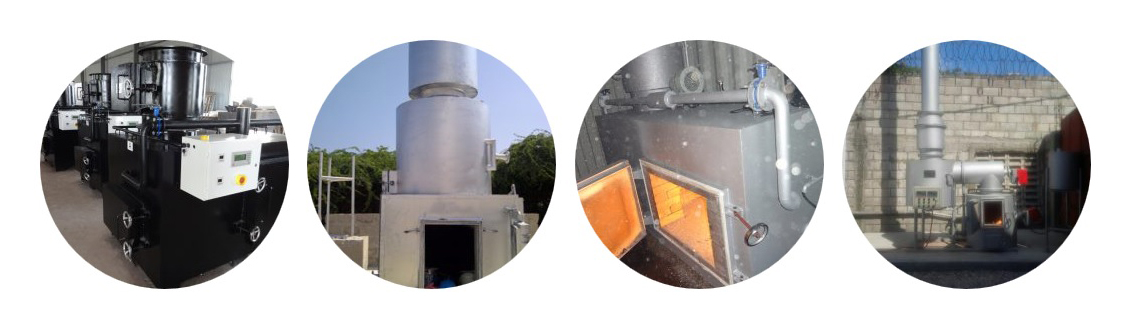
HICLOVER Waste Incinerators: Compliance and Certification for Global Waste Management
In industrial waste management, modern waste incinerators must meet rigorous international standards to ensure the safe thermal destruction of hazardous materials. Specific applications, such as those referenced in medical waste incinerator operating temperature standards, mandate secondary combustion chamber temperatures consistently above 850°C to achieve complete pathogen elimination and comply with WHO guidelines. Engineering reliability in these systems is non-negotiable, particularly for diverse global deployments ranging from Liberia medical incinerator installations to supply chains involving a Congo manufacturer of hazardous waste incinerator in china. HICLOVER, leveraging over sixteen years of engineering experience, designs incineration systems that integrate dual combustion chambers, precise temperature retention, and advanced automation to address these foundational requirements while aligning with trends in global infectious disease preparedness and decentralized waste management.
Technical Foundations of Compliant Incineration
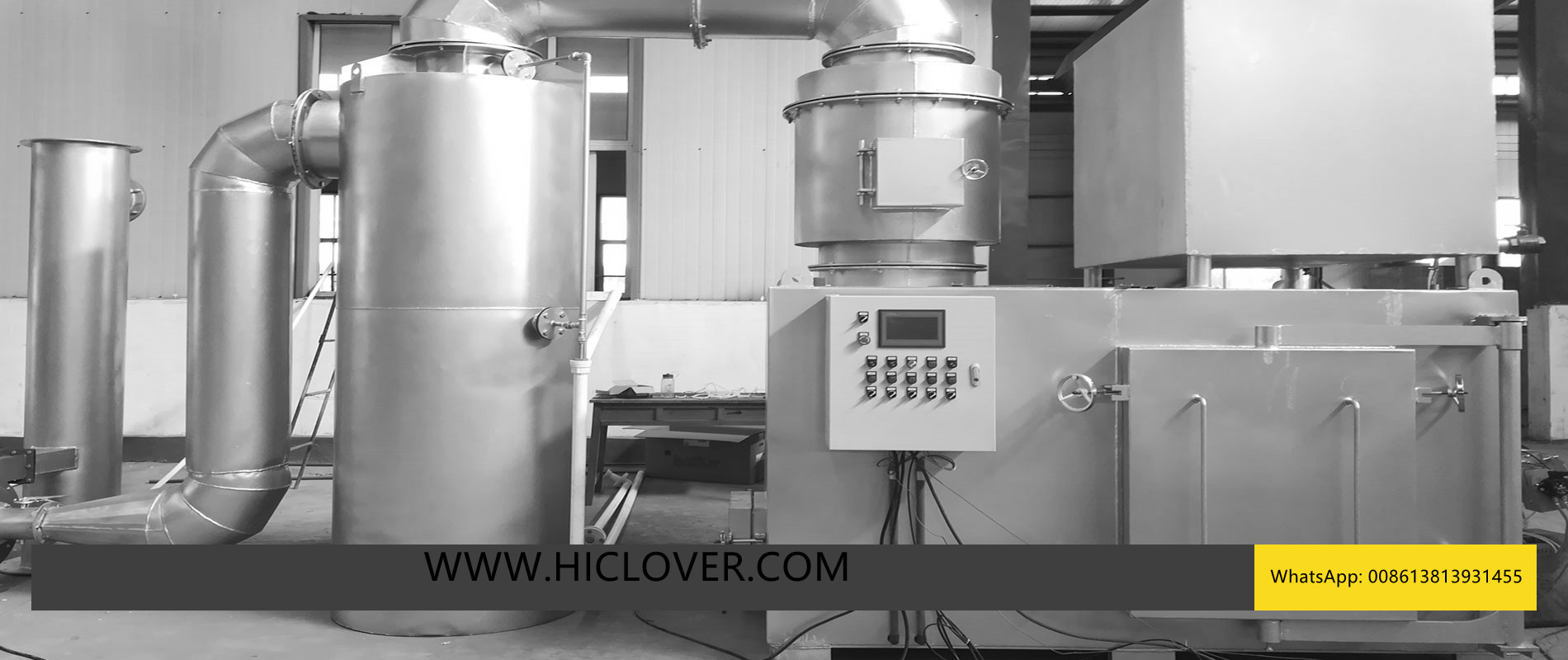
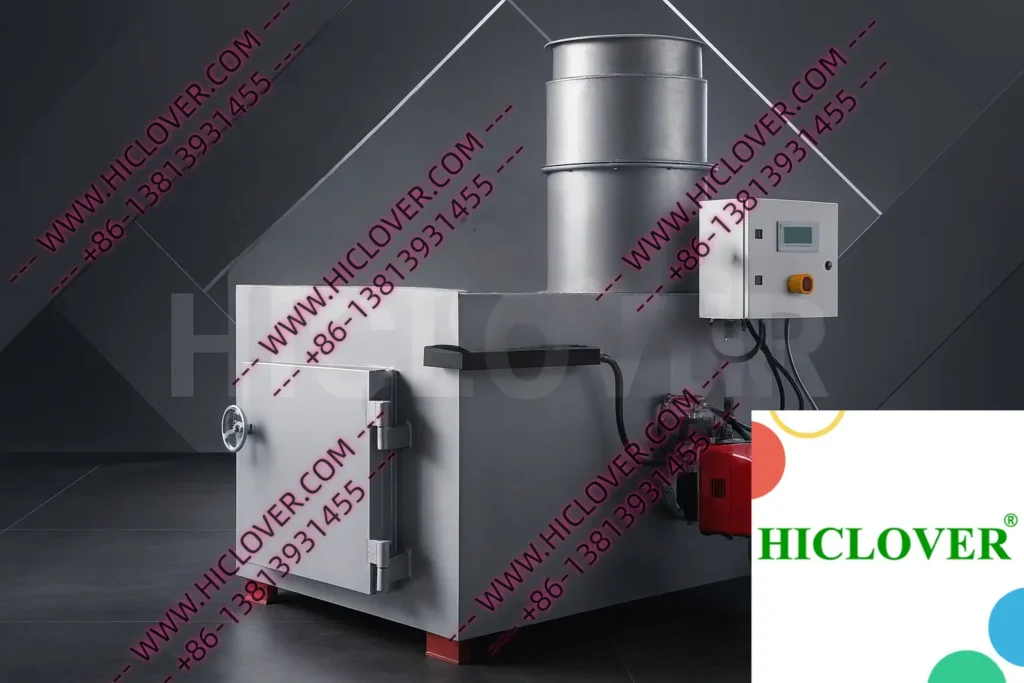
The efficacy of a waste incineration system hinges on its combustion principles and emission controls. A dual-chamber design is standard, where the primary chamber volatilizes waste and the secondary chamber, often referenced in specifications for a Burundi incineration combustion chamber, sustains temperatures between 850°C and 1100°C for a minimum of two seconds. This ensures the complete destruction of organic compounds and pathogens, a critical requirement for medical and hazardous waste. Emission control is equally vital; systems may incorporate dry or wet scrubbers to neutralize acidic gases, adhering to frameworks like the EU Waste Incineration Directive. For smaller-scale operations, such as a Senegal 3 kg per hour-incinerator, these principles are scaled while maintaining compliance. The importance of secondary chamber temperature validation is underscored in resources like medical+incinerator+secondary+chamber+temperature+standard, which procurement officials frequently consult. HICLOVER systems are engineered with these parameters, utilizing Italian brand burners and PLC-controlled automation to guarantee precise operational control and data logging, essential for audit trails and regulatory reporting.
Certifications and Regulatory Frameworks
Global market access for incineration equipment requires adherence to a complex web of certifications and regulatory frameworks. Key standards include CE marking for the European market and ISO 9001 for quality management systems, often sought by suppliers like a Liberia china incinerator supplier. For hazardous waste, including medical and animal carcasses, compliance with local environmental agency regulations and international guidelines from the World Health Organization is mandatory. HICLOVER’s manufacturing process is structured to meet these certifications, ensuring that systems, whether for animal incinerators for sale or industrial units, are designed from the outset for compliance. This factory-direct approach, detailed further on the HICLOVER website, provides a traceable supply chain and consistent quality control, advantages not typically available through trading companies. The integration of digital automation and remote monitoring capabilities also reflects the trend toward ESG compliance and operational transparency in industrial equipment.
HICLOVER Engineering and Global Deployment
HICLOVER’s position as a manufacturer enables customizable and resilient solutions for varied operational environments. The commercial investigation phase often involves comparing fixed versus containerized systems; HICLOVER specializes in containerized mobile incinerators that offer plug-and-play deployment. These units are particularly suited for remote sites, such as mining camps or humanitarian crisis zones, where decentralized waste management is critical. For instance, a Sierra Leone pet incinerator diesel-fueled model can operate independently of grid infrastructure, featuring multi-fuel capabilities (diesel, LPG, natural gas) and optional scrubber systems. The PLC control system automates combustion cycles, reducing operator intervention and enhancing safety compared to manual units. This mobile modular design supports supply chain resilience, allowing for rapid deployment in response to outbreaks or industrial expansion, aligning with trends in crisis zone management and remote operational sustainability.
Factory Direct Supply and Transactional Advantages
From a transactional standpoint, procurement managers prioritize stable supply chains and engineering support. HICLOVER’s factory manufacturing capability allows for direct customization of chamber volumes, combustion designs, and emission control systems based on project-specific waste streams. This is evident in exports to diverse markets, requiring units that meet local regulatory nuances. The company’s global export network ensures consistent delivery and technical support, mitigating risks associated with equipment sourcing. Furthermore, the engineering experience accumulated over years informs the design of energy-efficient systems that reduce carbon emissions, addressing the growing pressure for carbon emission reduction in industrial operations. By controlling the manufacturing process, HICLOVER guarantees component quality, from the combustion chamber to the automation software, providing a total solution that balances compliance with operational cost-effectiveness for decision-makers worldwide.
HICLOVER waste incinerators represent a synthesis of technical compliance, certified engineering, and adaptable deployment. The systems are designed to meet the exacting standards required for hazardous and medical waste destruction across global markets, from Africa to Asia. With a focus on factory-direct quality, modular mobility, and automated control, these incinerators provide procurement officials with reliable, compliant solutions that address both current regulatory demands and future trends in waste management technology.