HICLOVER Waste Incinerators: A Comprehensive Analysis of Features, Benefits, and Applications
Informational Layer: Understanding Waste Incineration and Its Importance
Waste incineration is a proven method for managing various types of waste, including medical, industrial, and municipal waste. The process involves the combustion of waste materials in a controlled environment, resulting in the reduction of waste volume and the destruction of harmful pathogens. This method of waste management is crucial for maintaining public health, preventing environmental pollution, and ensuring regulatory compliance.
Technical Temperature Standards
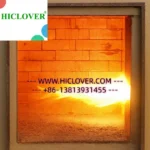
The combustion process in waste incinerators typically occurs at high temperatures, typically between 800 and 1,200 degrees Celsius. These high temperatures are essential for ensuring the complete destruction of harmful pathogens and reducing the volume of waste materials. The temperature range for incineration must meet industrial standards and regulatory requirements to ensure environmental sustainability and public health protection.
Combustion Principles
The combustion process in waste incinerators involves three main components: fuel, oxygen, and heat. The fuel is the waste material being incinerated, while oxygen is supplied to support the combustion process. Heat is generated during the combustion process, which can be recovered and used for energy production. Proper management of these three components is crucial for ensuring the efficient and safe operation of waste incinerators.
Regulatory References
Various regulatory bodies, such as the World Health Organization (WHO) and the European Union (EU), have established emission frameworks and guidelines for waste incineration. These frameworks aim to minimize the environmental impact of waste incineration and ensure the safe disposal of waste materials. Adherence to these regulatory frameworks is essential for waste incinerator manufacturers and operators.
Dual Chamber Explanation
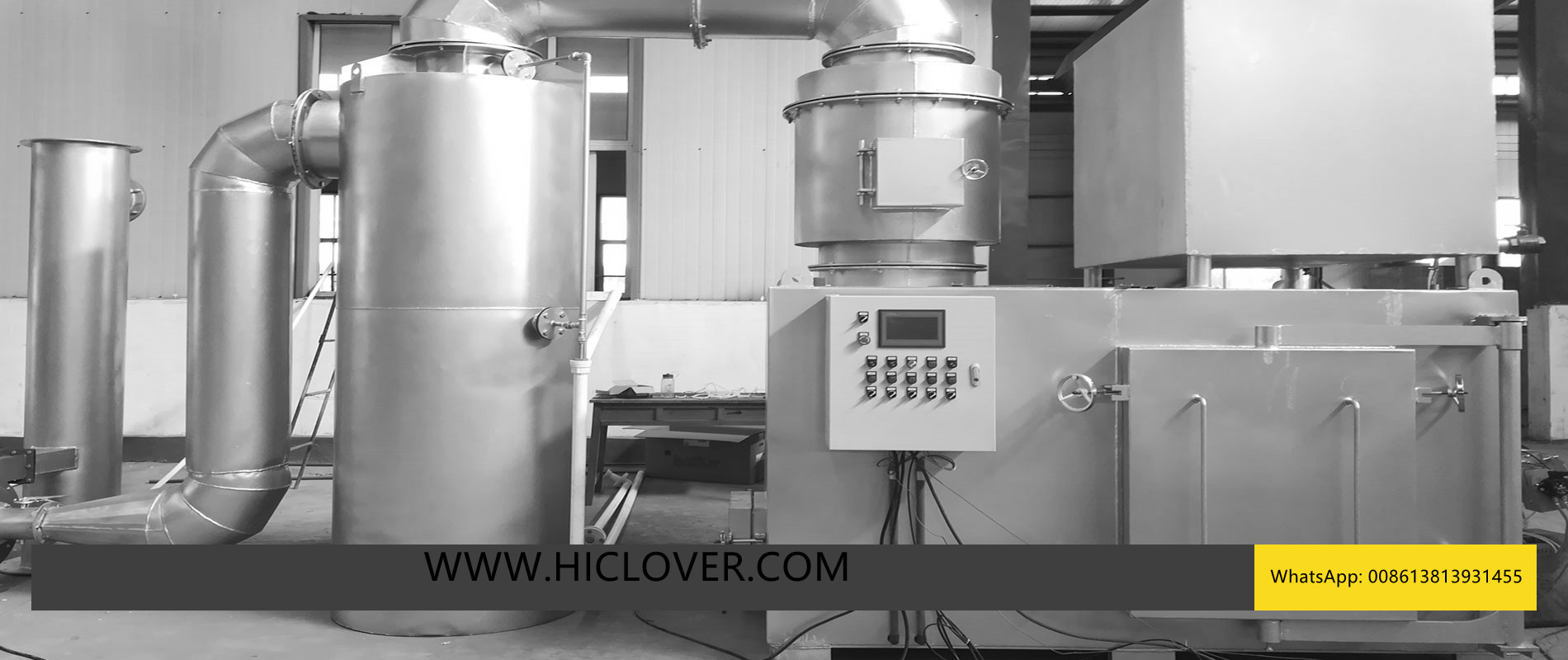
Waste incinerators often employ a dual-chamber design to improve the combustion process. The primary chamber is responsible for the initial combustion of waste materials, while the secondary chamber ensures the complete destruction of harmful pathogens and reduces emissions. This dual-chamber design helps improve the overall efficiency and safety of the waste incineration process.
High Temperature Retention Importance
Maintaining high temperatures during the combustion process is essential for ensuring the efficient and safe operation of waste incinerators. High temperature retention helps reduce waste volume, destroy harmful pathogens, and minimize emissions. Proper insulation, burner design, and combustion chamber configuration are crucial for ensuring high temperature retention in waste incinerators.
Commercial Investigation: Comparing HICLOVER Waste Incinerators to Other Solutions
HICLOVER offers a range of waste incinerator solutions that cater to various industrial and commercial needs. These solutions can be compared to other waste incinerator types, such as fixed and containerized systems, in terms of features, benefits, and applications.
Comparison of Incinerator Types (Fixed vs Containerized)
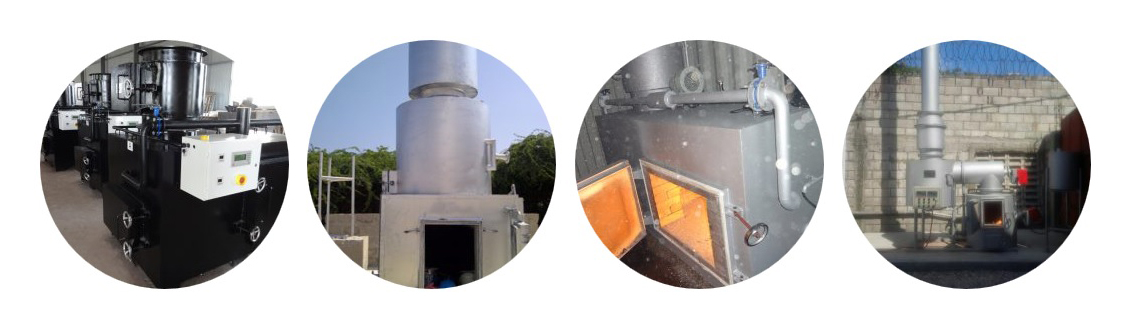
Fixed waste incinerators are permanently installed on-site, while containerized waste incinerators are mobile and can be transported to different locations as needed. HICLOVER offers both fixed and containerized waste incinerator solutions, allowing customers to choose the best option based on their specific needs and requirements.
PLC vs Manual Control
HICLOVER waste incinerators can be equipped with programmable logic controller (PLC) systems for automated control or manual control systems for operator-driven operation. PLC systems offer improved efficiency, accuracy, and safety, while manual control systems provide greater operator control and customization.
Dry Scrubber vs Wet Scrubber
Waste incinerators can be equipped with dry or wet scrubbers for emission control. Dry scrubbers are more suitable for applications with low moisture content, while wet scrubbers are ideal for applications with high moisture content. HICLOVER offers both dry and wet scrubber options to cater to different customer needs and requirements.
Remote Site Suitability
HICLOVER waste incinerators are suitable for deployment in remote sites, such as mining and oil camps, where access to traditional waste management infrastructure may be limited. The containerized and mobile design of HICLOVER waste incinerators makes them an ideal solution for these remote site applications.
Mobile Modular Advantages
Mobile modular waste incinerators, such as those offered by HICLOVER, provide numerous advantages, including ease of deployment, scalability, and cost-effectiveness. These mobile modular systems can be easily transported, installed, and operated, making them an ideal solution for various industrial and commercial waste management needs.
Transactional Layer: Factors to Consider When Choosing a Waste Incinerator Supplier
When selecting a waste incinerator supplier, it is essential to consider various factors, including factory direct supply, customizable chamber volume, global export capability, stable supply chain, and engineering experience.
Factory Direct Supply
Factory direct supply ensures customers receive high-quality waste incinerator systems at competitive prices. HICLOVER, as a waste incinerator manufacturer, offers factory direct supply for all their waste incinerator solutions, ensuring customers receive the best value for their investment.
Customizable Chamber Volume
Customizable chamber volume is essential for catering to different waste management needs and requirements. HICLOVER offers customizable chamber volumes for their waste incinerator solutions, allowing customers to choose the best option based on their specific needs and waste management goals.
Global Export Capability
Global export capability is essential for waste incinerator manufacturers to cater to international customers and meet the growing demand for waste management solutions. HICLOVER has a robust global export capability, ensuring customers worldwide can access their high-quality waste incinerator systems.
Stable Supply Chain
A stable supply chain is crucial for ensuring the timely delivery of waste incinerator systems. HICLOVER has a well-established supply chain, ensuring customers receive their waste incinerator systems on time and within budget.
Engineering Experience
Engineering experience is essential for designing and manufacturing high-quality waste incinerator systems. HICLOVER has over 16 years of experience in the waste incinerator industry, ensuring their waste incinerator solutions meet the highest standards of engineering and design.
Conclusion
HICLOVER waste incinerators offer numerous features, benefits, and applications for various industrial and commercial waste management needs. By understanding the informational, commercial, and transactional aspects of waste incineration, customers can make informed decisions when selecting a waste incinerator supplier and ensure they meet their waste management goals.
References:
Medical Incinerator Secondary Chamber Temperature Standard